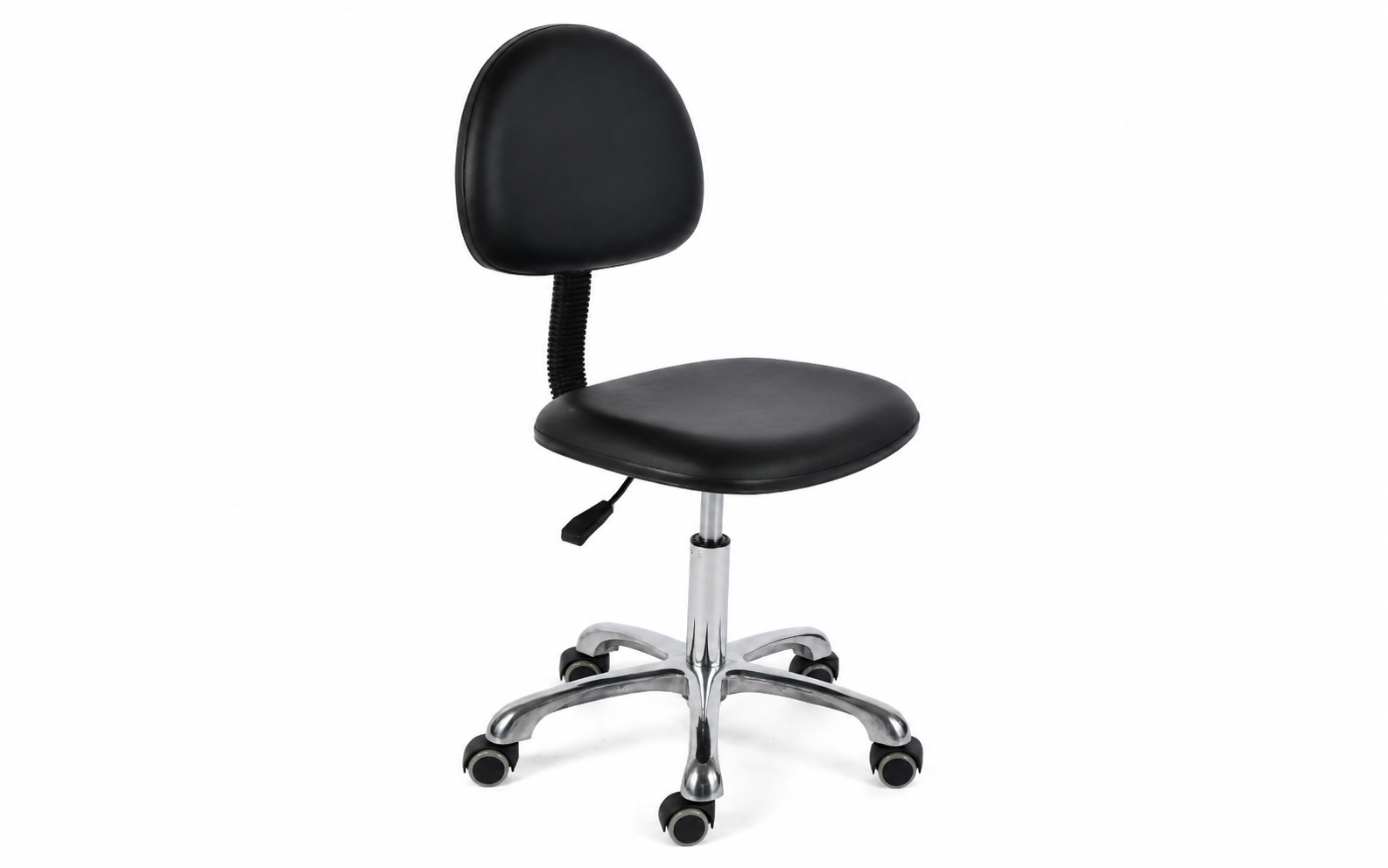
Companies in Argentina are increasingly considering eco-friendly material requirements when purchasing laboratory chairs because sustainability is becoming part of corporate procurement, facility planning, and supplier evaluation rather than a separate public-relations topic. Pharmaceutical manufacturers, universities, hospitals, food processors, research centers, mining companies, and industrial laboratories are being asked to understand how the products they buy affect waste, maintenance, transport, and long-term resource use. For laboratory seating, this means buyers are looking beyond color and price to examine material composition, product durability, replaceable parts, packaging efficiency, and the supplier’s ability to provide clear documentation. A product that lasts longer, can be repaired, and uses components that remain available may create a smaller environmental and financial burden than a cheaper chair that must be discarded after one failure. When evaluating an industrial polyurethane with chrome foot ring and casters adjustable laboratory chair, procurement teams can ask whether the polyurethane seat is designed for extended service, whether the chrome ring and base can be maintained, whether casters and gas lifts can be replaced separately, and whether the manufacturer can identify the materials used in each major component. Argentine distributors can support this process by providing material declarations, component lists, packaging details, maintenance guidance, and evidence of spare-parts continuity. These documents help buyers compare environmental value in a practical way instead of relying on vague claims such as “green” or “eco-friendly.” The strongest B2B purchasing decisions connect sustainability with operational performance: the chair must still match the bench, support users, move correctly on the floor, and withstand routine cleaning. Eco-friendly procurement therefore does not mean selecting the product with the most environmental language; it means choosing a configuration that combines material transparency, long service life, repairability, and real laboratory suitability.
A second reason companies are focusing on eco-friendly materials is that laboratory furniture programs are becoming more standardized across sites, and standardization can significantly reduce waste. When every branch, department, or project buys a different chair, the organization may accumulate incompatible bases, casters, gas lifts, seats, and foot supports that cannot be reused or serviced efficiently. A controlled product standard allows procurement teams to select a limited number of approved configurations, preserve replacement-part compatibility, and avoid discarding complete chairs when only one component has failed. If an industrial polyurethane with chrome foot ring and casters adjustable laboratory chair is approved for elevated multi-user workstations, the buyer can document the exact component references, maintenance procedure, and expected replacement parts so future orders remain consistent. This supports a more circular approach because seats, casters, rings, bases, and lifts can be inspected and replaced individually where technically appropriate. Argentine distributors can strengthen their offer by providing refurbishment assessments, take-back options, spare-parts kits, and service plans that extend product life. Packaging is another important area. Buyers may request reduced plastic use, recyclable cartons, optimized carton dimensions, and consolidated shipments that lower transport volume and handling waste. Distributors should be able to explain how chairs are packed, which materials can be separated, and how damage prevention is balanced with packaging reduction. Corporate customers may also evaluate whether suppliers use local stock or regional consolidation to reduce emergency shipments. These considerations matter in B2B procurement because environmental improvements often support operational efficiency at the same time: standardized parts simplify maintenance, better packaging reduces damage, and planned shipments lower logistics cost. By connecting eco-friendly requirements with serviceability and supply planning, companies can make sustainability part of everyday procurement discipline rather than an isolated purchasing criterion.
The third driver is the growing need for credible supplier data and measurable environmental performance. Argentine companies want to avoid unsupported environmental claims, so they are asking suppliers to explain the basis of material statements, durability expectations, recycling possibilities, and end-of-life recommendations. Procurement teams can build a sustainability scorecard that evaluates product lifespan, replaceable components, recycled or recyclable content where documented, packaging efficiency, repair support, supplier transparency, and the ability to maintain approved specifications over time. For an industrial polyurethane with chrome foot ring and casters adjustable laboratory chair, the scorecard can include the expected service life of the seat, the availability of compatible casters and gas lifts, the separability of major components, packaging type, transport efficiency, and the supplier’s process for communicating material changes. The goal is not to create an unrealistic checklist that excludes practical products; it is to compare suppliers consistently and identify which partner can support both laboratory performance and sustainability objectives. Distributors can also create original Google-friendly content about eco-friendly laboratory seating, repairable chair components, sustainable procurement, packaging reduction, and lifecycle planning, helping corporate buyers find useful information before requesting a quotation. Post-purchase data should be included as well. Companies can track service cases, component replacement, product life, packaging waste, and the number of chairs repaired instead of discarded. These indicators show whether the environmental promise is producing real results. For Argentine distributors, strong sustainability support can become a competitive advantage because it gives procurement teams better documentation, reduces uncertainty, and helps customers report progress internally. For buyers, eco-friendly material requirements are valuable when they lead to durable products, clearer supplier accountability, lower waste, and more predictable lifecycle cost. By combining technical suitability, transparent materials, repairability, efficient packaging, and measurable after-sales data, companies in Argentina can make laboratory chair purchasing more sustainable without compromising the practical demands of B2B laboratory environments.
READ MORE