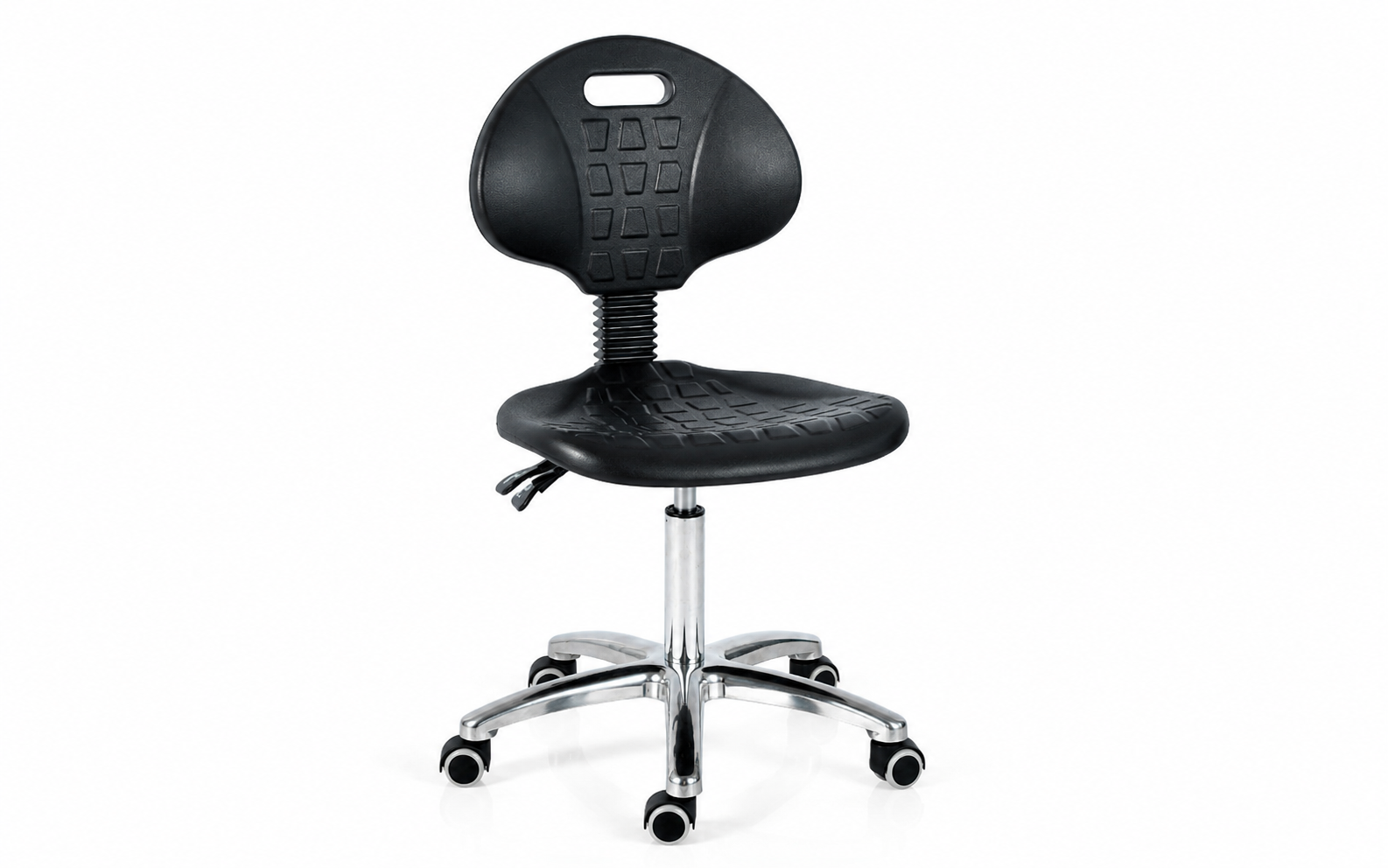
Argentina’s laboratory chair market is gaining new B2B demand from life sciences, pharmaceuticals, biotechnology, and private healthcare diagnostics, where investment is increasingly tied to quality control, product development, clinical testing, and regulated production. Pharmaceutical manufacturers are expanding analytical, microbiology, formulation, and stability-testing areas, while biotechnology companies and contract laboratories need flexible workstations for research teams that may share equipment across multiple shifts. Private hospitals, diagnostic networks, fertility centers, and specialized clinics are also adding laboratory capacity closer to patients, creating opportunities for distributors that can supply consistent seating across branches and project phases. These customers are not looking only for a chair that fits a room; they need products that align with elevated benches, frequent cleaning, rotating personnel, and the visual standards expected in professional facilities. An industrial polyurethane with chrome foot ring and casters adjustable laboratory chair can be positioned for applications where users move between instruments, require dependable foot support, and need a surface that is practical to maintain during routine operations. Argentine distributors can win these opportunities by developing sector-specific sales packages that include technical drawings, sample evaluation forms, delivery planning, warranty procedures, and spare-parts information. They should also map the different decision makers inside each account, because laboratory managers, purchasing departments, facilities teams, finance officers, and external contractors may evaluate the same order from different perspectives. A pharmaceutical buyer may focus on consistency and documentation, a clinic may prioritize fast delivery and branch standardization, and a biotechnology company may need adaptable configurations for future growth. By understanding these priorities and creating targeted proposals, distributors can move beyond general catalogs and present a clear business case for each segment.
A second group of fast-developing opportunities comes from agriculture, food processing, environmental testing, mining, energy, and industrial quality control. Argentina’s agricultural economy supports laboratories involved in seed analysis, soil testing, animal health, crop protection, grain inspection, food safety, export certification, and process verification. Meat processors, dairy producers, beverage companies, wineries, edible-oil manufacturers, and cold-chain operators all depend on laboratory functions that support quality, traceability, and customer compliance. Environmental laboratories are also serving water, air, waste, and soil monitoring projects, while mining and energy companies require testing for materials, samples, fuels, and operational control. These environments often combine demanding workflows with varied floor surfaces, elevated workstations, shared personnel, and a need for durable components. When presenting an industrial polyurethane with chrome foot ring and casters adjustable laboratory chair, distributors should explain how the configuration relates to the specific work area rather than treating every industrial laboratory as identical. A food-testing facility may value easy surface cleaning and quick adjustment between users, whereas a mining laboratory may place greater emphasis on stability, component durability, and reliable movement around sample-preparation stations. B2B suppliers can create stronger pipelines by partnering with laboratory equipment dealers, engineering firms, industrial contractors, and regional service companies that already participate in these projects. They can also monitor plant expansions, certification programs, export-oriented investments, and new testing requirements that often signal future seating demand. Original Google-friendly content focused on food laboratory seating, agricultural testing workstations, mining laboratory chairs, and quality-control furniture can attract buyers who are searching for application guidance rather than generic products. For distributors, these sectors offer repeat-purchase potential because laboratories may expand in stages, replace mixed seating, or standardize approved models across several sites.
Additional B2B procurement opportunities are emerging from universities, technical institutes, electronics and advanced manufacturing, public research organizations, veterinary networks, and regional innovation centers. Universities are renovating teaching laboratories and creating shared research spaces that must serve students, instructors, technicians, and visiting researchers with different physical requirements. Technical schools and vocational institutes are also investing in practical learning environments linked to chemistry, electronics, healthcare, food science, and industrial processes. Electronics, automation, and precision-manufacturing companies may need seating for inspection, testing, assembly-support, and development laboratories, while veterinary laboratories and animal-health companies continue to require practical furniture for diagnostics and research. In these settings, an industrial polyurethane with chrome foot ring and casters adjustable laboratory chair can be included in a broader standardization plan for high benches and multi-user stations. Argentine distributors should segment these customers by buying cycle, funding source, expected volume, and service expectations. Public institutions may require tender documentation and longer approval periods, private universities may value demonstration units and phased delivery, and advanced manufacturers may expect rapid technical responses and repeatable specifications. The most effective distributors will combine local inventory planning with consultative service, account-based outreach, digital content, and partnerships that extend coverage beyond Buenos Aires into provincial markets. They should maintain approved product records, track branch or campus expansion, and use CRM data to identify when an initial order can lead to a larger rollout. Market growth will not come from one industry alone; it will come from a portfolio of sectors that are modernizing laboratories, adding quality functions, and professionalizing work environments. By tailoring messages, samples, pricing structures, and after-sales support to each segment, laboratory chair suppliers can attract more Argentine dealers and end customers, improve conversion quality, and build a diversified B2B pipeline that is less dependent on isolated projects.
READ MORE