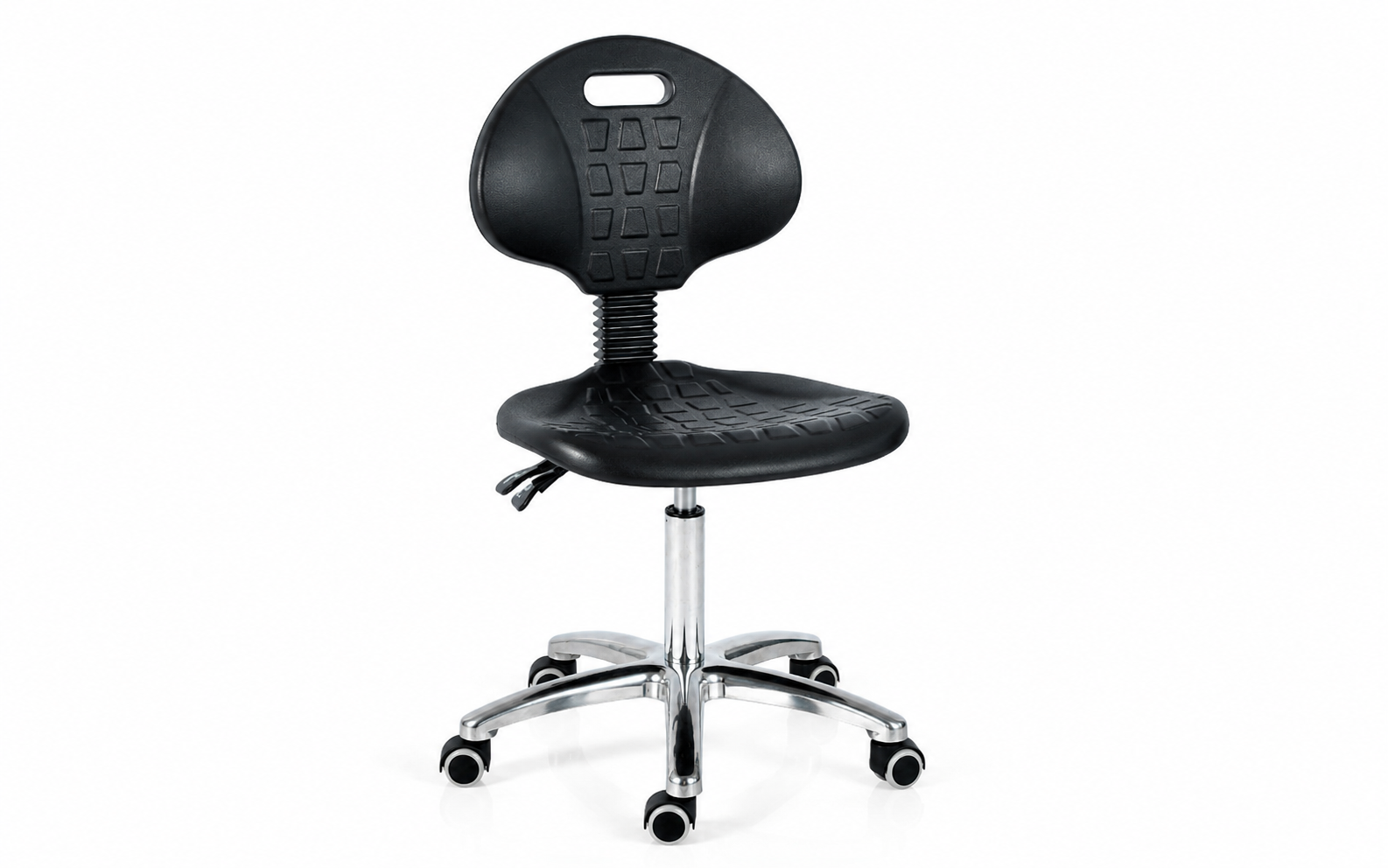
Distributors in Argentina can increase B2B market trust by making brand authorization visible, verifiable, and commercially meaningful throughout the buyer journey. In laboratory seating, trust is often weakened when customers cannot confirm whether a seller is officially connected to the manufacturer, whether the quoted product matches the approved specification, or whether warranty and replacement parts will remain available after delivery. A formal authorization program helps solve these concerns by defining who may represent the brand, which territories or customer groups they serve, what technical support they receive, and what service obligations they must meet. The distributor should be able to present an authorization certificate, manufacturer contact details, product identification rules, warranty procedures, and current model documentation without hesitation. When offering an industrial polyurethane with chrome foot ring and casters adjustable laboratory chair, the authorized distributor can confirm the source of the polyurethane seat, the approved adjustment mechanism, the chrome foot-ring specification, the caster options, the base dimensions, and the spare parts linked to that exact configuration. This level of traceability is important for pharmaceutical companies, universities, hospitals, food-testing laboratories, industrial quality-control departments, and project contractors because procurement teams need more than an attractive price; they need confidence that the product can be verified, reordered, and supported. Argentine distributors should also publish a clear explanation of what authorization includes, because a logo alone does not prove capability. Buyers should understand whether the distributor is authorized to provide samples, submit tenders, offer local stock, manage claims, train dealers, and represent technical specifications. By communicating these responsibilities clearly, the distributor reduces uncertainty and separates itself from unauthorized resellers that may offer incomplete documentation, inconsistent models, or unsupported warranties.
Brand authorization becomes even more valuable when it is connected to channel discipline and professional service. Manufacturers and distributors should agree on approved pricing principles, customer ownership, territory rules, sample control, technical training, and the process for managing large projects. Without these rules, multiple sellers may present different specifications, contradictory lead times, or unrealistic discounts to the same customer, damaging trust in the entire brand. A well-managed authorization system gives Argentine buyers a consistent experience regardless of whether they are working with a national distributor, a regional dealer, or a project partner. Sales teams should be trained to explain application fit, not merely repeat catalog features. For an industrial polyurethane with chrome foot ring and casters adjustable laboratory chair, authorized representatives should know how to assess bench height, flooring, cleaning routines, movement requirements, user rotation, and space limitations before recommending the model. They should also know when glides, different casters, or another height range may be more appropriate. This technical honesty builds credibility because the buyer sees that the distributor is protecting the application, not forcing a sale. Authorization can also support faster B2B approval by giving procurement teams access to standardized drawings, compliance tables, sample records, warranty terms, and manufacturer-backed statements. Argentine distributors can strengthen this advantage by maintaining a verified online authorization page, publishing original application content, and providing a direct method for customers to confirm their status. Google-friendly pages about authorized laboratory chair distribution, genuine spare parts, warranty validation, and technical support can attract higher-quality inquiries because buyers searching for reliable suppliers often want proof of legitimacy before requesting a quotation. The goal is to turn authorization into an operating standard that guides every quotation, sample trial, delivery, and service interaction.
Long-term market trust is built after the order, so authorized distributors must show that brand support continues throughout the product lifecycle. They should preserve approved specifications, maintain records of purchase dates and batches, stock or source critical replacement parts, and respond to claims through a documented process. When a customer adopts an industrial polyurethane with chrome foot ring and casters adjustable laboratory chair, the distributor should be able to identify compatible casters, gas lifts, foot rings, seats, and bases for future maintenance or expansion. This continuity is especially important for B2B customers with multiple facilities or phased projects, because changing components without notice can create operational and purchasing problems. Authorized distributors can also conduct post-installation reviews, collect user feedback, train customer teams on adjustment and cleaning, and share recurring issues with the manufacturer. These activities create a closed quality loop that unauthorized sellers usually cannot provide. To protect credibility, distributors should avoid exaggerated promises and explain warranty limits, lead times, and customization conditions in writing. They should also measure authorization performance through quotation accuracy, sample conversion, repeat orders, service response time, claim resolution, and customer retention. Manufacturers can use these indicators to renew, expand, or improve the distributor’s authorization, while buyers gain confidence that the relationship is governed by measurable standards. For the Argentine laboratory chair market, brand authorization therefore offers more than a certificate: it creates traceability, consistent technical communication, accountable after-sales service, and a recognizable channel structure. Distributors that use authorization as a complete B2B trust system can attract more laboratories, dealers, contractors, and institutional customers, defend value without relying only on discounting, and build a stronger market reputation that supports sustainable growth.
READ MORE