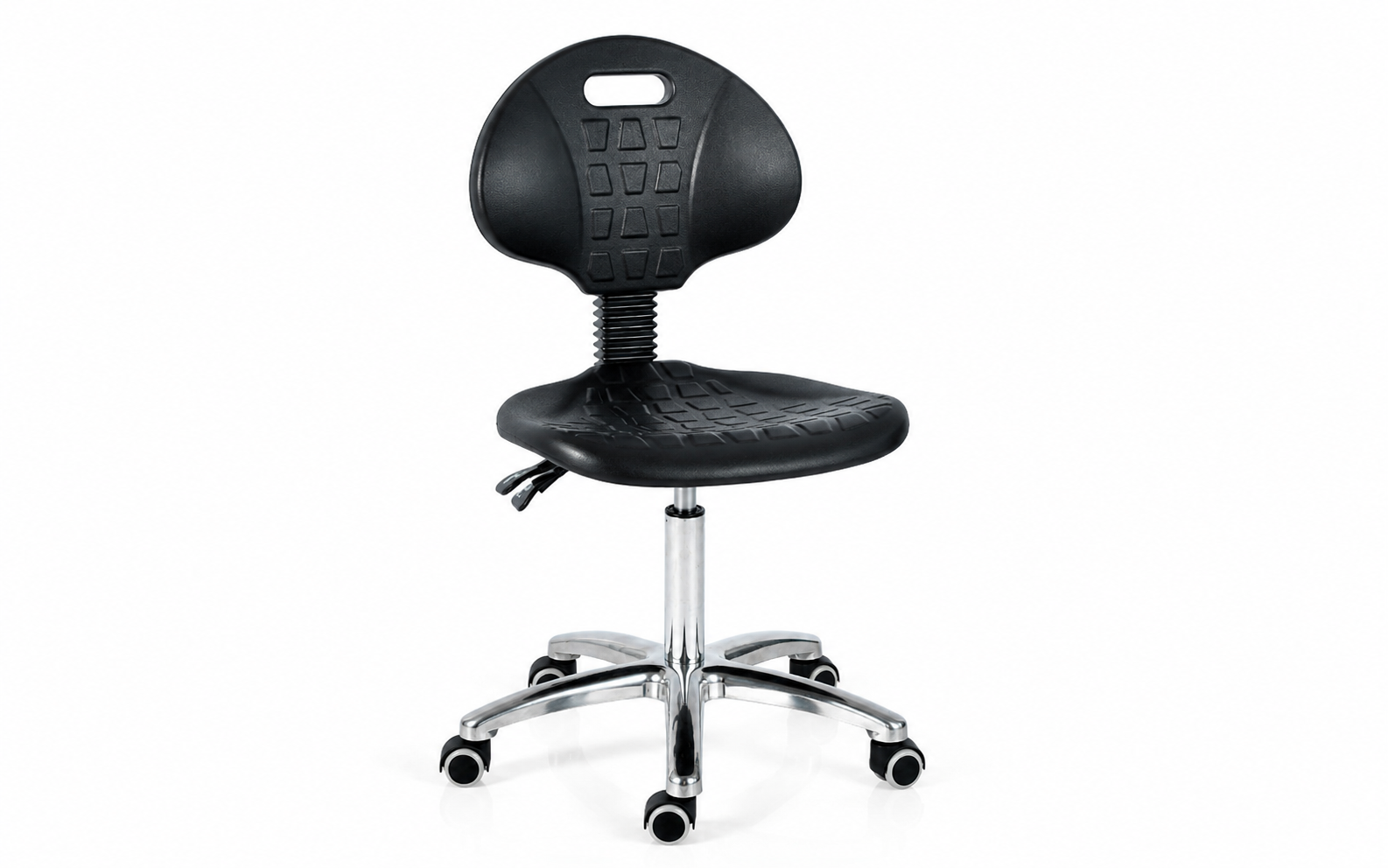
Companies in Argentina can manage laboratory chair procurement cycles more effectively by starting with a backward plan from the required installation date and assigning clear lead times to every decision that precedes delivery. Project delays often occur because seating is treated as a minor final purchase even though it depends on technical review, sample approval, budget release, supplier confirmation, production, shipping, customs coordination, local delivery, and site readiness. A practical B2B schedule should therefore identify the date when laboratories must become operational, then calculate the latest acceptable dates for specification freeze, supplier nomination, sample testing, commercial approval, purchase order, production completion, shipment booking, and final handover. Procurement teams should build a responsibility chart showing which department owns each milestone and what evidence is required before the next stage begins. Laboratory managers may confirm workstation use, facilities teams may verify dimensions and floor conditions, finance may release funds, and procurement may coordinate contracts and suppliers. When the selected configuration is an industrial polyurethane with chrome foot ring and casters adjustable laboratory chair, the planning file should define seat-height range, base diameter, caster type, foot-ring position, cleaning expectations, packaging, spare parts, and final quantity before production begins. Argentine distributors can support buyers by supplying a lead-time map that separates sample preparation, manufacturing, transport, and local delivery instead of presenting one general estimate. This makes hidden waiting periods visible and gives the project team time to solve problems before they affect the opening date. A shared procurement calendar with weekly status updates, named owners, and escalation rules can prevent small technical questions from remaining unanswered for days. By treating the chair order as a coordinated project stream rather than an isolated purchase, companies can protect laboratory schedules and reduce the risk of emergency substitutions.
The procurement cycle should also include controlled decision gates that prevent late changes from restarting the entire process. The first gate can confirm the application and quantity, the second can approve technical specifications and a representative sample, the third can authorize commercial terms and total landed cost, and the final gate can release production and logistics. Each gate should have a concise checklist so that approvals are based on complete information rather than informal comments. For an industrial polyurethane with chrome foot ring and casters adjustable laboratory chair, the technical gate should verify compatibility with bench height, user movement, flooring, cleaning routines, occupied aisle space, and multi-user adjustment. The commercial gate should examine unit price, samples, freight, taxes, packaging, warranty, spare parts, payment timing, and the financial effect of delivery slippage. Argentine companies can reduce approval time by using one comparison table for all qualified suppliers and by documenting which requirements are mandatory, which are preferred, and which alternatives are acceptable. Distributors can improve this process by providing decision-ready packages that include drawings, application notes, sample results, production capacity, delivery options, and written responsibilities. Buyers should also prepare contingency scenarios for exchange-rate changes, import delays, component shortages, construction slippage, or revised headcount. A base case can follow the normal schedule, an accelerated case can use reserved stock or priority production, and a delayed case can use phased delivery or temporary storage. This scenario planning is especially valuable for B2B projects with several laboratories, regional sites, or staged expansion. It allows companies to keep the main project moving even when one assumption changes. A limited list of approved alternates for noncritical components can also prevent minor supply issues from forcing a complete technical review, while any substitution affecting performance should require written approval.
The final part of cycle management is to connect production and delivery with real site readiness and then preserve the project data for future orders. Before the supplier starts manufacturing, buyers and distributors should confirm the final quantity, approved specification, production milestones, inspection method, packaging labels, delivery address, unloading conditions, assembly responsibility, and the sequence in which laboratory areas will open. If the order includes an industrial polyurethane with chrome foot ring and casters adjustable laboratory chair, packaging should protect the polyurethane seat, chrome ring, adjustment mechanism, and casters, while labels should identify the correct room, building, or project phase. Procurement teams should not accept vague progress updates; they should request evidence at meaningful milestones such as raw-material confirmation, production start, mid-process review, pre-shipment inspection, shipment booking, customs documentation, and local dispatch. At the same time, site teams must report construction status honestly so that chairs do not arrive before floors, benches, elevators, or storage areas are ready. Phased delivery can reduce storage pressure and align furniture arrival with commissioning, but it should be planned from the beginning rather than improvised after shipping. After installation, companies should record actual lead time, defects, user feedback, service response, and reorder potential. These records create a reliable benchmark for future laboratory projects and help distributors forecast replenishment, reserve spare parts, and maintain approved configurations. Argentine distributors can also turn recurring procurement-cycle questions into original Google-friendly content on sample timing, approval gates, phased delivery, site readiness, and supplier coordination. This attracts serious B2B buyers because it addresses real project-management risks rather than repeating generic product descriptions. When companies combine backward scheduling, controlled approvals, contingency planning, milestone evidence, and post-project learning, laboratory chair procurement becomes more predictable, and project delays become easier to prevent instead of merely explaining after they occur.
READ MORE